
Why is My 10 Year Old Roof Leaking and How to Prevent Costly Damage

A leaking roof can feel like a nightmare, especially when your roof is only 10 years old. You might expect a roof to last much longer without issues, so why is water finding its way inside your home? The answer often lies in poor installation and lack of maintenance. This post explains why even relatively new roofs can leak, what makes natural materials like cedar vulnerable, and how to protect your home from expensive water damage.
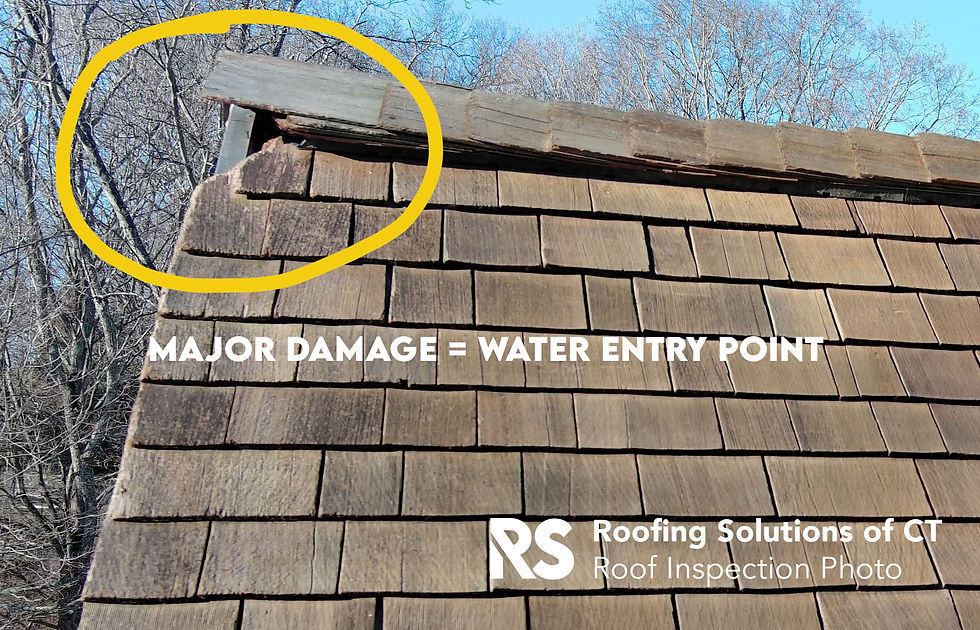
Why a 10-Year-Old Roof Might Leak
Many homeowners assume that a roof should last 20 to 30 years or more without problems. While this is true for well-installed and maintained roofs, leaks can develop much sooner if the roof was not done right or if it has been neglected.
Poor Installation
The most common cause of early roof leaks is poor installation. This includes:
Incorrect placement of shingles or shakes: Cedar shingles must be installed with proper spacing and exposure to allow for expansion, drainage, and long-term durability; some contractors may try to reduce material costs by overexposing the shingles, which leaves less overlap between courses and can lead to premature wear, water infiltration, wind vulnerability, and a significantly shorter roof lifespan.
No Cedar Breather layer: Cedar Breather® is a fire-resistant, three-dimensional matrix underlayment used primarily under wood shingles and shakes. It is a critical component in the long-term longevity of a cedar roof, as it creates an air gap beneath the shingles that promotes ventilation and drainage, helping the cedar dry properly and reducing the risk of rot, cupping, and premature deterioration.
Inadequate underlayment: The underlayment is the waterproof layer beneath the shingles. Using low-quality or inappropriate underlayment reduces your roof’s last line of defense against water infiltration.
Lack of Maintenance
Even the best roof needs regular care. Over time, weather and debris can cause damage that leads to leaks:
Clogged gutters cause water to back up and pool on the roof.
Damaged shingles or shakes from storms or falling branches create entry points for water.
Moss and algae growth trap moisture and accelerate wood decay.
Failure to inspect and repair minor issues allows small leaks to grow into major problems.
Why Natural Materials Like Cedar Need Special Care
Cedar roofs are popular for their beauty and durability, but they require expert installation and ongoing maintenance.
Breathability: Cedar shakes must breathe to prevent moisture buildup. Proper spacing and ventilation allow the wood to dry out after rain or snow.
Expansion and contraction: Wood expands and contracts with temperature and humidity changes. Installers must leave enough room for this movement to avoid cracking.
Quality underlayment: Cedar roofs need high-quality underlayment that can handle moisture without breaking down.
Storm resistance: In places like Connecticut, spring and summer storms can dump heavy rain quickly. A well-installed cedar roof can handle this, but a poorly done one will let water in.
How Water Finds Its Way Inside
When water accumulates on a roof, it looks for the easiest path inside your home. This can happen through:
Cracks in shingles or shakes
Gaps around flashing or vents
Damaged or missing underlayment
Blocked gutters causing water to pool
Once water penetrates the roof, it can cause:
Rotting wood framing
Mold and mildew growth
Damaged insulation
Stained ceilings and walls
These problems are expensive to fix and can affect your home’s safety and value.
Preventing Costly Water Damage
Taking action early can save thousands of dollars in repairs. Here are practical steps to protect your roof and home:
Hire Experienced Roofing Experts
Choose roofing professionals who specialize in natural materials like cedar. They will:
Use proper installation techniques
Select high-quality underlayment and flashing
Ensure correct spacing and ventilation
Schedule Regular Roof Inspections
Have your roof inspected at least once every 12-24 months and after major storms. Look for:
Loose or damaged shingles
Signs of water stains inside your home
Clogged gutters and downspouts
Moss or algae growth
Maintain Your Roof and Gutters
Clean gutters regularly to prevent water backup
Remove debris like leaves and branches from the roof
Trim overhanging tree limbs to reduce damage risk
Treat moss and algae growth promptly
Repair Small Issues Quickly
Don’t ignore minor leaks or damaged shingles. Early repairs prevent water from spreading and causing bigger problems.
Understand Your Insurance Coverage
Some insurance policies may not cover damage caused by poor maintenance or installation. Review your policy and ask your agent about coverage for roof leaks and water damage.
What to Do If Your Roof Is Leaking
If you notice leaks, act fast:
Call Roofing Solutions of CT for an inspection
Document damage
Avoid DIY repairs that could worsen the problem

Comments